


Koko Love’s debut album, The Cost of Freedom, is an indie alt-pop and alt-rock project that also happens to be loose, bright, impulsive, and alive – but underneath all that movement is a constant sense of questioning: what freedom actually means, what it costs, and what it feels like to keep choosing yourself when certainty would be easier.
The project seamlessly moves through anxiety, chaos, spirituality, resilience, self-reflection, and the messy euphoria of being alive – and the songs do not try to smooth those contradictions into something clean and digestible. Instead, The Cost of Freedom allows them to exist all at once, colliding rather than settling into one pre-established box.
That’s what makes the album feel so exhilarating! Well, that and the lyricism.
Koko’s writing often sits between surrender and self-awareness, embracing impulse while still trying to understand what it reveals. Songs like Jump Head First in the Fire and 24! carry that feeling directly, balancing humor, chaos, gratitude, existential reflection, and a real sense of…aliveness, all at once.
In this eighth Creative Spotlight conversation, Koko Love reflects on the freedom inside chaos, the cost of independence, and why The Cost of Freedom was ultimately made to feel like a breath of fresh air.
This interview has been edited for clarity and flow.
Also available on MQTWorld.com
Chaos, Duality, and the Cost of Freedom
Part of what makes The Cost of Freedom feel so alive is the way it refuses to separate emotional uncertainty from sonic freedom. The album moves quickly and openly, as if the songs are constantly deciding what they are in real time. That looseness is not just aesthetic; it becomes part of the emotional language of the record, especially in how Koko connects anxiety, chaos, and possibility.
Your album feels really loose and alive sonically, but underneath that, there’s a lot of anxiety, uncertainty, and questioning of self. Do you intentionally like to use sound to soften what you’re actually saying, or did this end up happening naturally as you were making the album?
KL: Funny enough, I don’t know if anyone will relate to this, but it’s often in times of deep anxiety or chaos that I feel the most free. Chaos has a negative connotation at its core, but really, chaos means anything is possible. Chaos means the status quo can be rewritten. So I think the sound of the album is just a pure representation of that.
Your album feels really loose and alive sonically, but underneath that, there’s a lot of anxiety, uncertainty, and questioning of self. Do you intentionally like to use sound to soften what you’re actually saying, or did this end up happening naturally as you were making the album?
KL: Definitely something I’m embracing. And I would say: act now, edit later. Creating a separation between the creative mind and the analytical mind. I’m still perfecting this way of doing things. It’s an ongoing learning process.
That relationship to chaos also gives the album its spiritual tension. On Jump Head First in the Fire, Koko writes from a place where gratitude, guilt, bad decisions, protection, and blessing all seem to exist at once. The song does not treat goodness as simple or freedom as easy, which makes its reflections on duality feel central to the larger world of The Cost of Freedom.
For this song, the lyrics “All those good things in my life, God is be conspiring for me to have a good time and now I’m wondering, how’s my karmic debt going cause I keep blundering but she keeps blessing me,” are really sensational! Would you like to explain more about the idea behind them?
KL: This song is about the balance of good and evil. It’s about duality, which is only real in the material and mental world. Beyond that, in the spiritual, there is no such thing as good and evil, I believe. God is ever forgiving. Unconditional love. Although down here on earth, it is very real. There are good and evil forces at stake. And I believe you’re not truly good if you’ve never had to choose. This song is about my reflections on the subject, and simply the duality of good and evil, I would say.
And I love “24!” What would you say was the main thing that inspired this song?
KL: I’m from Montréal (Canada), where it’s cold as fuck most of the year. Anybody who lives here is a bit crazy because this weather could literally drive anyone insane. But on the flip side, I think it also builds character. Canadians are some of the strongest, most resilient people I know. And we have the blessing of seasons. Real. Distinct. Seasons. Not some LA bullshit. And I think that’s a blessing.
That kind of relationship to place – loving the harshness as much as the beauty of it -feels very on-brand, considering how important of a part duality plays in the album’s larger emotional world. 24! turns Montréal’s cold, seasonal intensity into something almost character-building, where discomfort becomes part of the atmosphere rather than something to escape. And in that way, the song also begins to touch on one of the album’s bigger questions: what it actually means to feel free when freedom itself can be difficult, demanding, and uncertain.
What does “freedom” mean to you at this point in your life, and what do you feel like it’s cost you?
KL: It’s being able to do whatever I want with the least amount of friction possible, whether it’s a project or simply going about my day. But like everything, freedom has a cost. Because freedom can be overwhelming. Freedom can paralyze. And it demands sacrifice. You usually have to give up certainty and comfort. At least that’s my experience of it, but I’m sure a lot can relate.
Live Energy and What Listeners Are Meant to Feel
For an album that carries so much internal tension, performance gives the songs another way to move. What feels reflective or anxious on record can shift into something more physical when shared in person. In that setting, the songs are no longer only about what Koko was processing while making them; they become something that changes depending on the room, the band, and the people hearing them out loud.
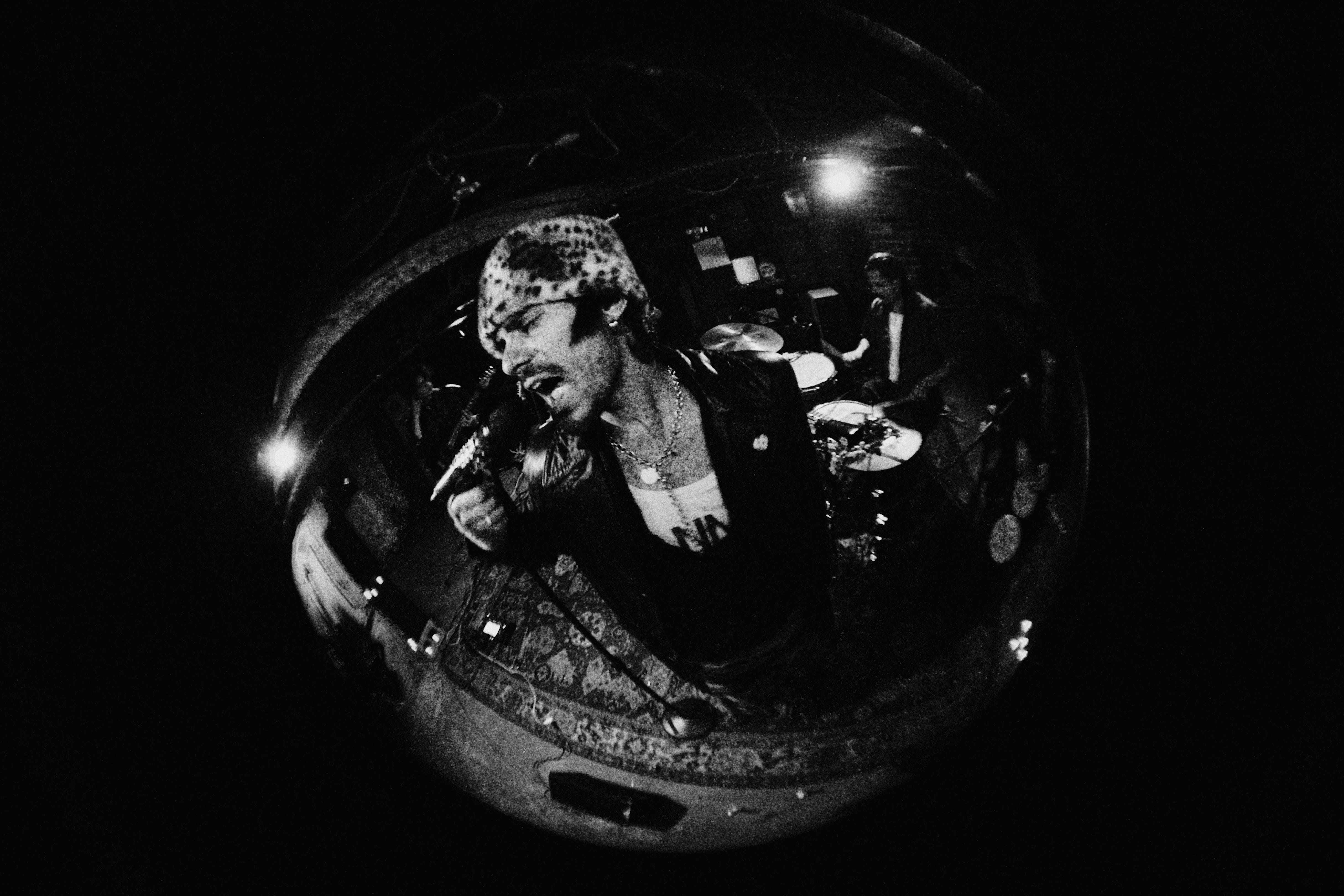
The songs carry a lot of internal tension, but I imagine live, they take on a completely different energy. How does performing them change the way they feel for you?
KL: It’s different every time. Whenever I have the privilege of playing with my band, it’s a totally different energy than when I perform solo, you feel me? But obviously, either way, it always feels great to share these songs with people in real life.
Despite the love of live performance, Koko’s favorite part of the process comes back to writing and collaboration. The album was made through a close creative chemistry with Soran, in a space described less like a studio and more like something sacred. That intimacy matters because even when the final record feels expansive, its foundation is still rooted in trust, instinct, and the act of making something with someone who understands the world you are trying to build.
What would you say was your favorite part of the album-making process, and why?
KL: Definitely the writing part. We wrote most of it at my best friend and producer on this record, Soran’s house. It’s our Shangri-La. It’s a sacred space. And our chemistry is very special.
And now that the album is out in the world, do you feel any closer to understanding yourself, or has it just opened up more questions?
KL: More questions, and so is the nature of life.
If you made this album again right now, what do you think would be different?
KL: I don’t know. Probably more cohesive sonically. My biggest critique of this record is that it’s a bit all over the place in terms of genre and influences. I would probably try to paint a clearer picture of who I am without overcomplicating the sound, you know? A lot of my favorite artists are really good at sticking to what they do best, and that’s something I really admire.
Interestingly, I admire Koko’s ability to make “all over the place” feel alive and energetic rather than unfocused! The album’s shifts in genre and influence feel connected to the same restlessness that runs through the lyrics: the desire to understand yourself, chase freedom, make mistakes, and still find something honest in the middle of it. That openness is part of what makes The Cost of Freedom feel so personal, and it also speaks to the kind of experience Koko hopes listeners have when they enter the album for the first time.
When someone listens to this album for the first time, what kind of experience do you want them to have? What do you want them to feel, know, or take from it?
KL: I want it to feel like a breath of fresh air. I want it to make them feel young again. Nostalgic. Existential even. Free.
That final answer captures the spirit of The Cost of Freedom well. The album is not trying to arrive at one clean conclusion about freedom, selfhood, or what it means to move through life with uncertainty. Instead, it leaves room for contradiction. Freedom can be joyful, while at the same time, being overwhelming. Chaos can evoke fear and simultaneously, a feeling of infinite possibility. And the journey to self-understanding can open up endless pathways to more questions.
Koko Love’s reflections make the album feel less like a finished statement and more like a living document of a particular state of becoming. It’s impulsive, searching, spiritual, messy, funny, and sincere, usually all at once. And that’s why it works.
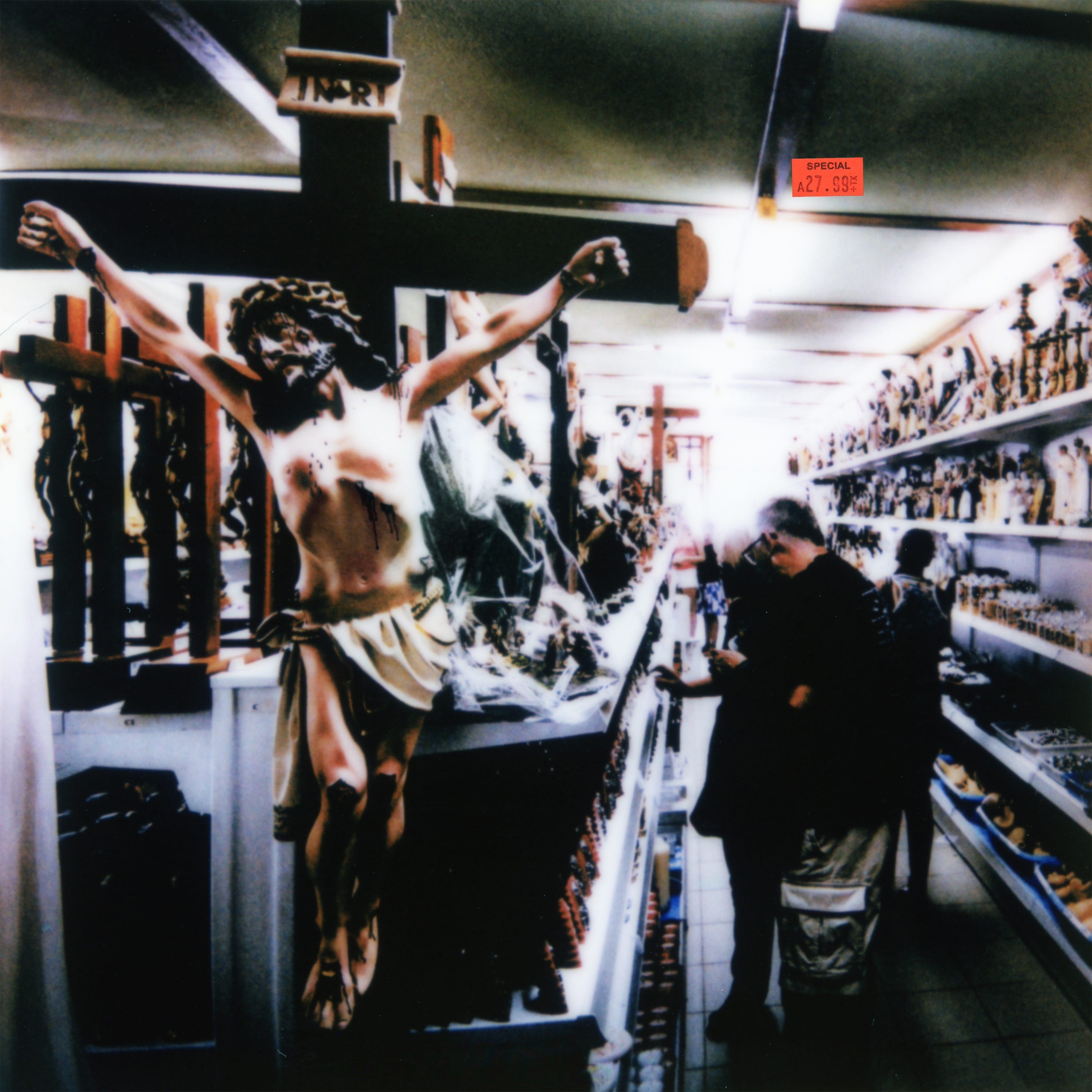
The Cost of Freedom by Koko Love is out now.
Connect with Koko Love
⭐Artist Support⭐
- Join the Creative Spotlight – The Creative Spotlight series is a written interview series that highlights the stories, voices, and journeys of creatives. Want to be featured? Reach out!
- Join Are You Listening Yet? – I’ve been receiving a lot of incredible music and Creative Spotlight submissions lately. Love it! So, alongside full features, I’m also curating ongoing round-ups highlighting artists I’m listening to. If you’d like your work considered for that as well, feel free to mention it when you reach out.
- Narrative Writing & Creative Consultation – If you need an Artist Bio, EPK, Artist Brand & Identity Writing, World-building Assistance, Project, Release & Era Storytelling, Long-form Content, or any other form of narrative writing, check out my Narrative Writing Services!
- Fan Engagement Support – If you don’t feel connected to your audience, don’t have time to actually engage with them, or constantly release yet hear nothing but crickets when you do, then it sounds like you need to upgrade from having casual listeners who barely interact to having actual fans who are invested in you. I can help with that. Check out my Fan Engagement Services!
Community is important to me, and I’m always open to connecting with artists and music writers! Feel free to reach out any time, for any reason.
Thanks so much for reading!
Much love <3